Training,Health & Predictive Outcomes
Machine learning, a branch of artificial intelligence (AI), enables computers to learn from data without explicit programming. Let’s look at T, H, P and O with example tasks to help set the scene.
The tasks
- Classify dog images by training on thousands of labeled ‘dog’ or ‘cat’ pictures using machine learning.
- Predict potential health issues in dogs based on their past health, diet, and age for early intervention.
- Leverage data science to predict and prevent diseases in dogs by analyzing health trends across breeds, improving care and prevention.
Firstst
Dog’s ears shoots up once a bark or a meow goes off.
The idea of classifying dog images through machine learning starts with creating a dataset – a collection of thousands of images labeled as either “dog” or “cat.” Each label represents the correct category for the image, helping the model understand what features distinguish a dog from a cat. These images act as the “training data.”
Steps to consider: 1 Feature extraction (visual features) – 2 Pattern recognition (distinct features, creating associations) – 3 Training the model (dataset input, deep learning) – 4 Validation (separate image set) – 5 Prediction (learnt patterns, setting up classes)
Secondnd
Big, soulful eyes looking at you like, “Help me, hooman.”
Predicting potential health issues in dogs based on their past health, diet, and age involves analysing patterns and identifying risk factors that could indicate vulnerabilities before symptoms arise. It’s like building a health profile that evolves with time, helping to safeguard a dog’s well-being through proactive measures.
Steps to consider: 1 Past health (medical history, genetic factors) – 2 Diet (nutritional balance) – 3 Age (life stage vulnerabilities (gradual wear and tear) – 4 Early intervention (preventative care, lifestyle adjustments)
& Thirdrd
Data science involves the extraction of meaningful patterns and actionable insights. In the context of dog health, this means analyzing large volumes of information such as genetic data, medical histories, environmental factors, and even owner-reported health indicators.
Steps to consider: 1 Predicting diseases (classification & regression models) – 2 Preventing diseases (personalized care plans, decision support systems) – 3 Analysing health trends – 4 Improving care – 5 Implementation factors
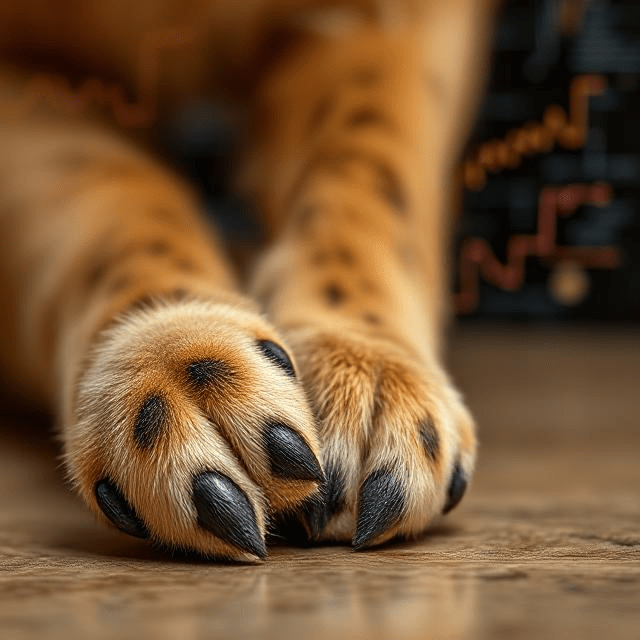
Wanna try out these examples via. Python? https://shorturl.at/4hCor
2 responses to “5”
-
Totally agree, such a cool idea! Using AI to predict potential health issues based on a dog’s history, diet, and age could be a game changer for early intervention. It’s comforting to know tech can actually help us take better care of our pets.
LikeLike
-
ooh, this is very interesting. I know of a young woman who does programming, too, to benefit animals. she heads an animal welfare organization here in the Philippines. I’ll show this to her, might be a cool thing for her to know that someone else is working on a project to benefit animals. Who’s the target user for this program? Vets? Community vets? I think it would be helpful for our local vet offices to have something like this since it’s usually run by volunteer docs.
LikeLike


 Yun.Bun
Leave a comment